Our Materials
Every wood has its own character
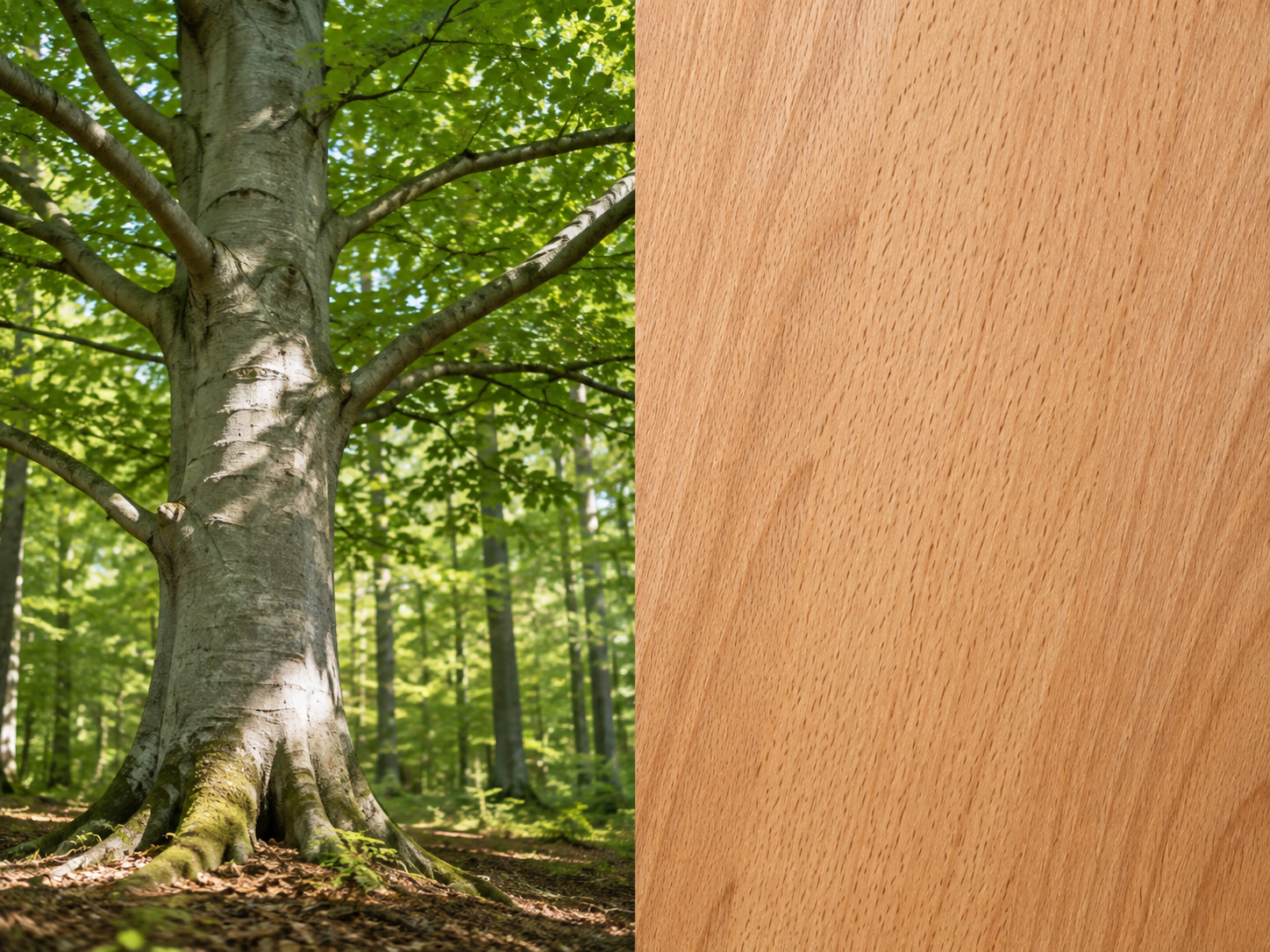
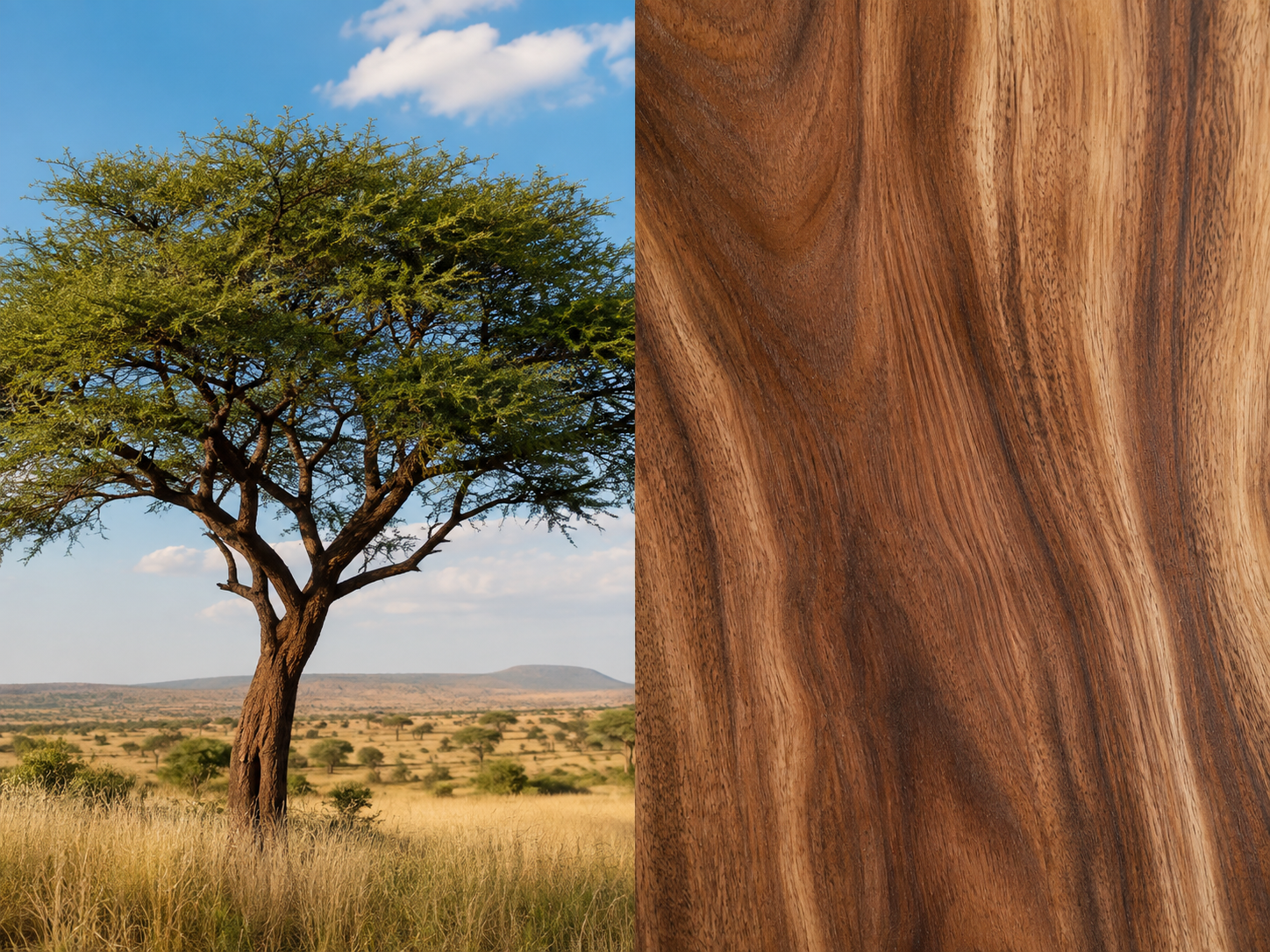
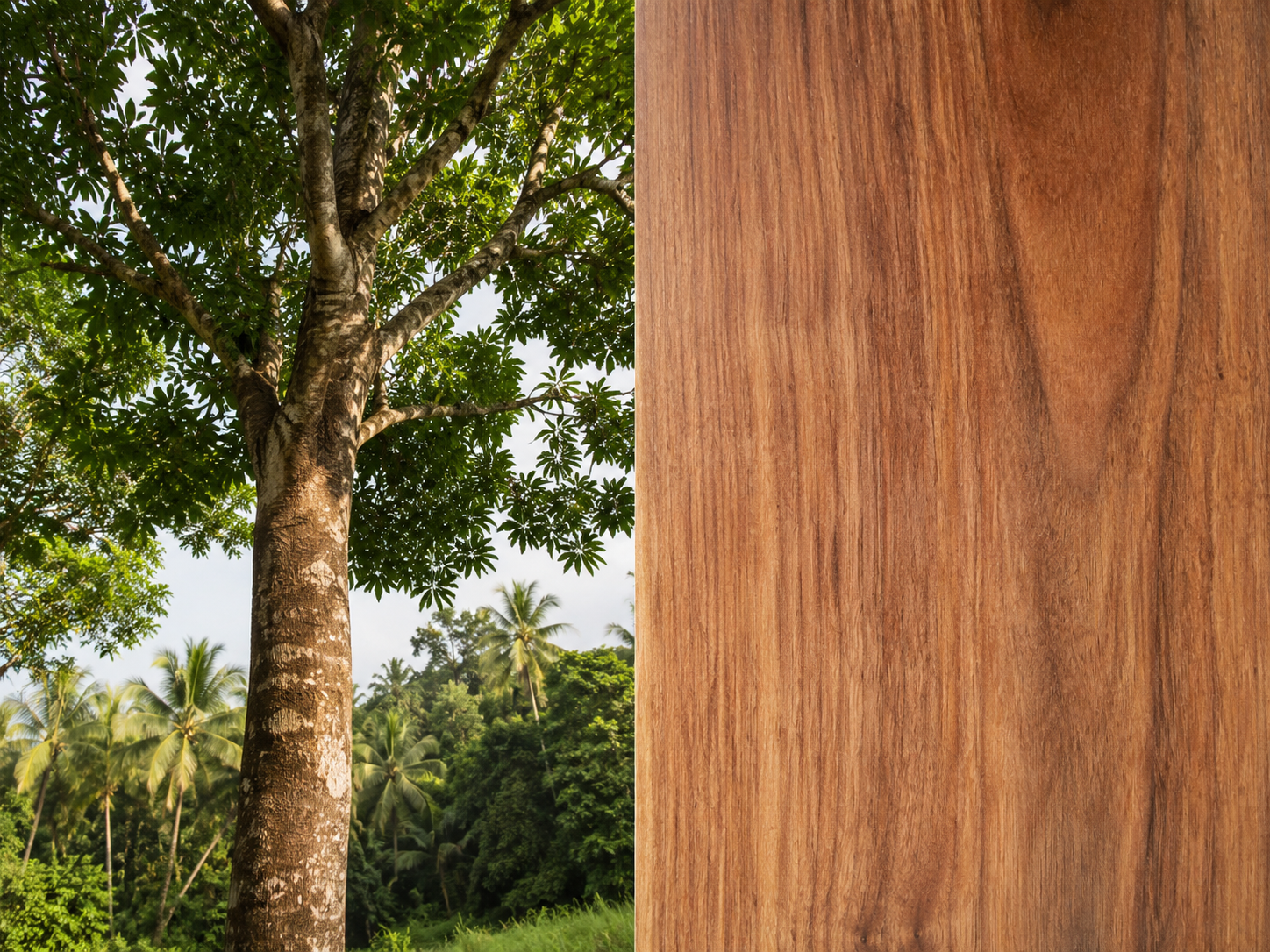
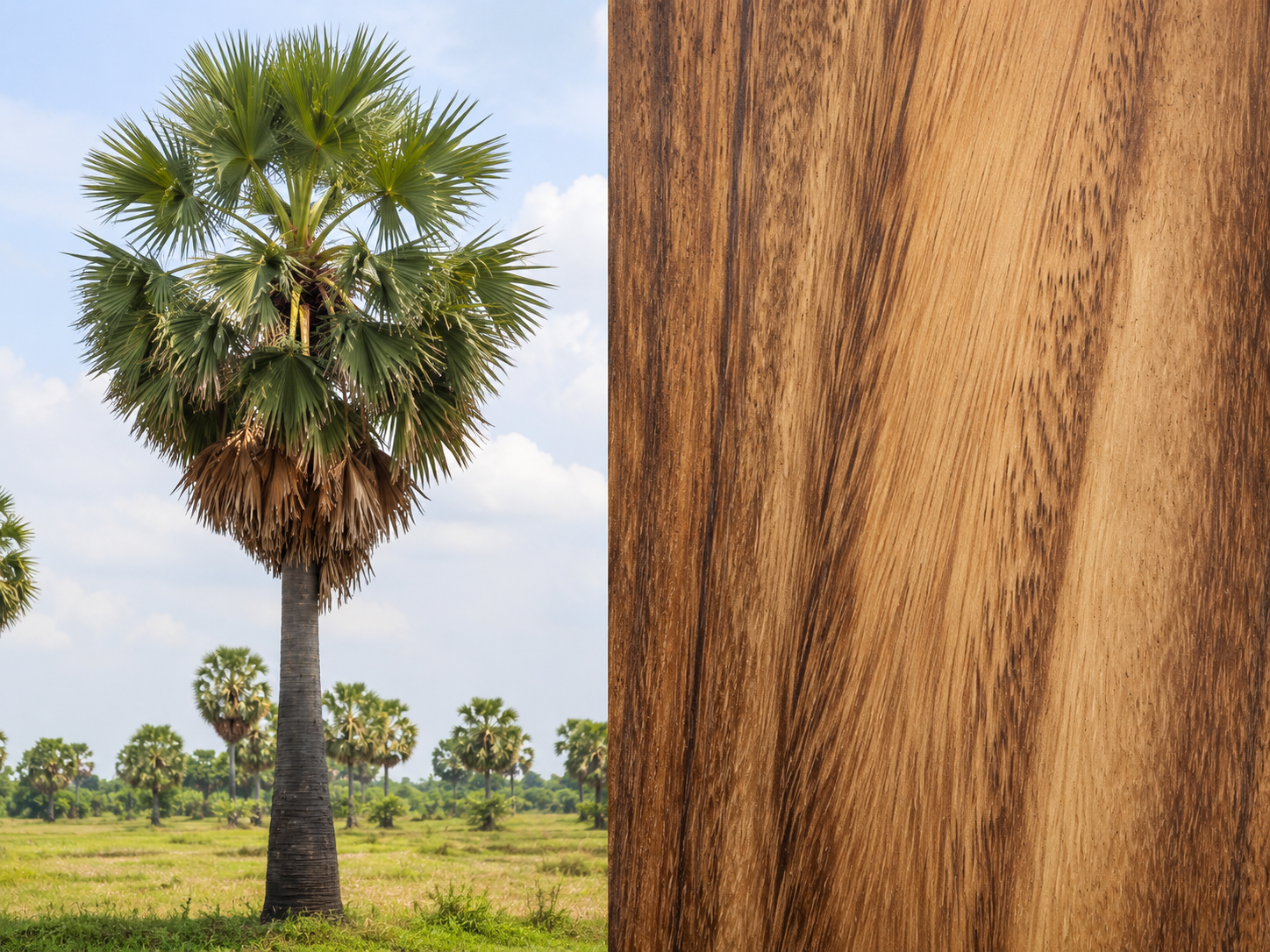
We do not treat wood as a single material. Each species has a different density, colour, grain pattern, working quality and relationship with moisture. Choosing the right wood for the right product is one of the most important decisions we make.
Our material selection includes teak, mango wood, jackwood, palmwood and mahogany. Availability, grain and colour may vary naturally from one batch to another. That variation is part of what makes each wooden product individual.
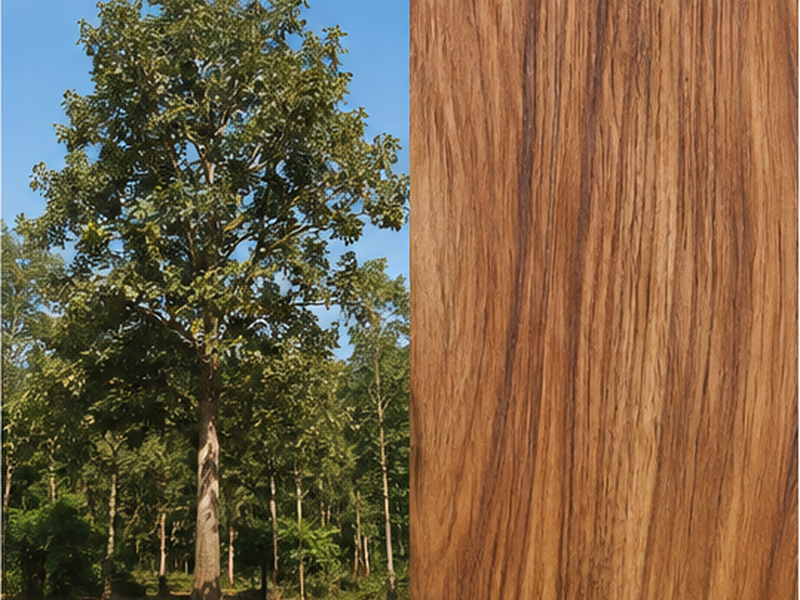
Teak Wood
Teak is valued for its strength, stability and naturally rich appearance. Its grain can range from straight and calm to more expressive patterns. The colour often develops greater depth with age and exposure.
Because teak has natural oils and good dimensional stability, it is commonly selected for products that need durability and long-term performance. It is particularly useful where the material may experience changing environmental conditions. We use teak when its strength, stability and visual richness make sense for the product—not simply because it is considered a premium wood.
Mango Wood
Mango wood has a warm, approachable character and a grain that can vary beautifully from piece to piece.
It has enough density to create substantial everyday products while remaining workable during manufacturing. Its natural variation can include lighter areas, deeper streaks and occasional mineral markings.
At Technowood, mango wood is especially relevant for functional home and kitchen products where warmth, usability and material efficiency need to come together.
Each mango wood product may carry a slightly different grain pattern. That is not inconsistency; it is the identity of the material.
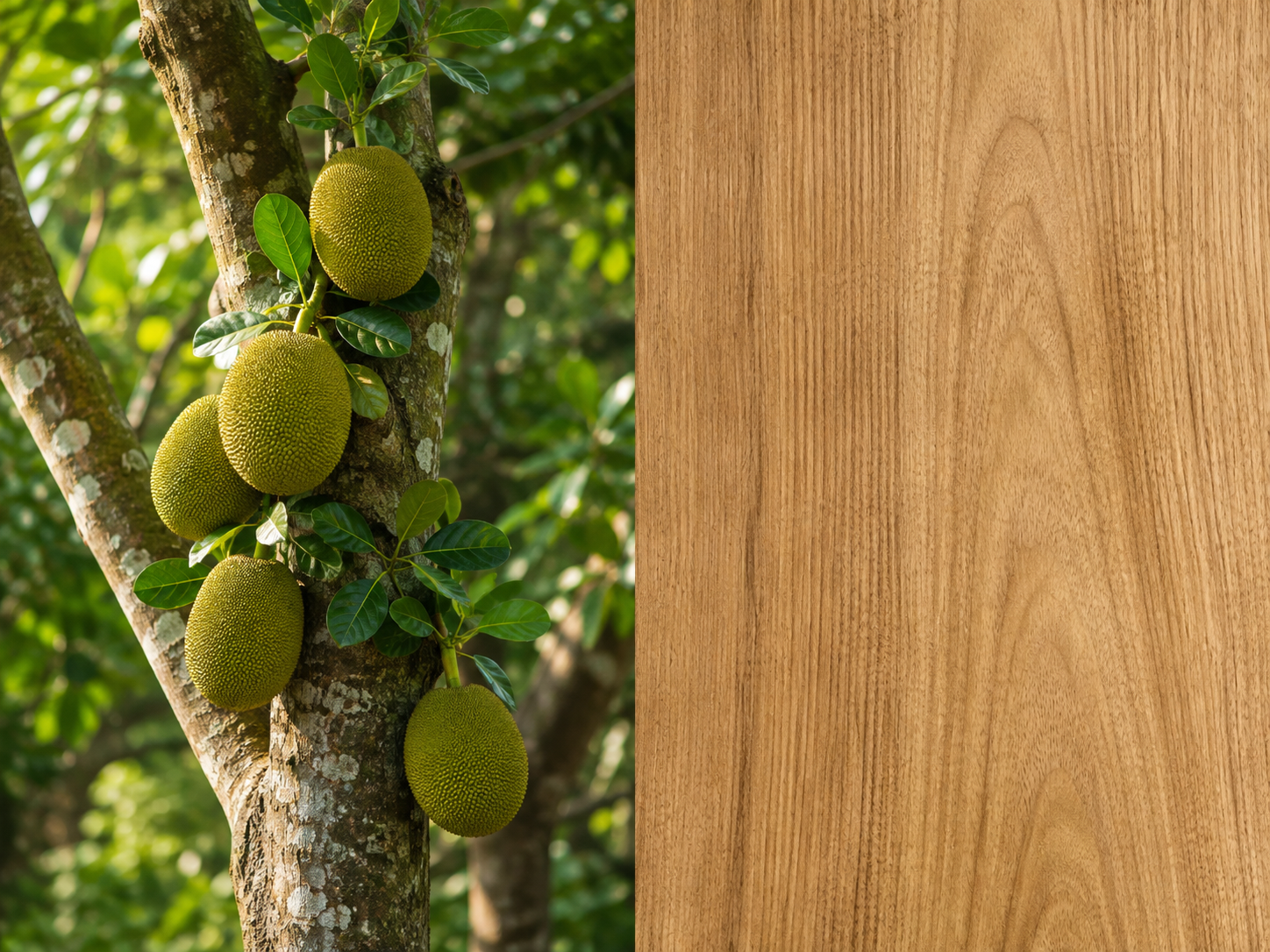
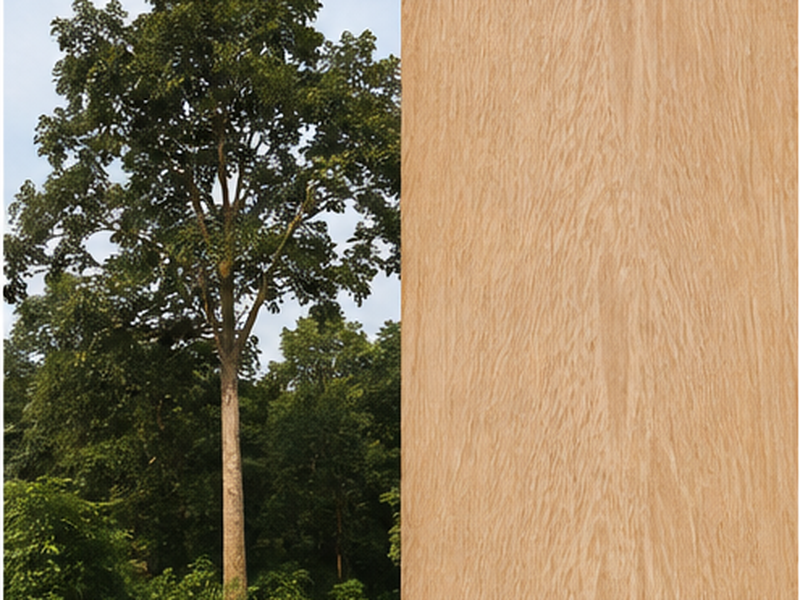
Jackwood
Jackwood has a strong connection to Kerala’s homes, furniture and traditional woodworking.
Its warm yellow-to-golden tone often deepens as the wood ages. It is known for its distinctive appearance and has been used locally for generations in furniture, cabinetry and architectural applications.
We value jackwood not only for its cultural familiarity, but for the way it brings warmth and regional character into contemporary products.
Used thoughtfully, it can feel traditional without looking old-fashioned.
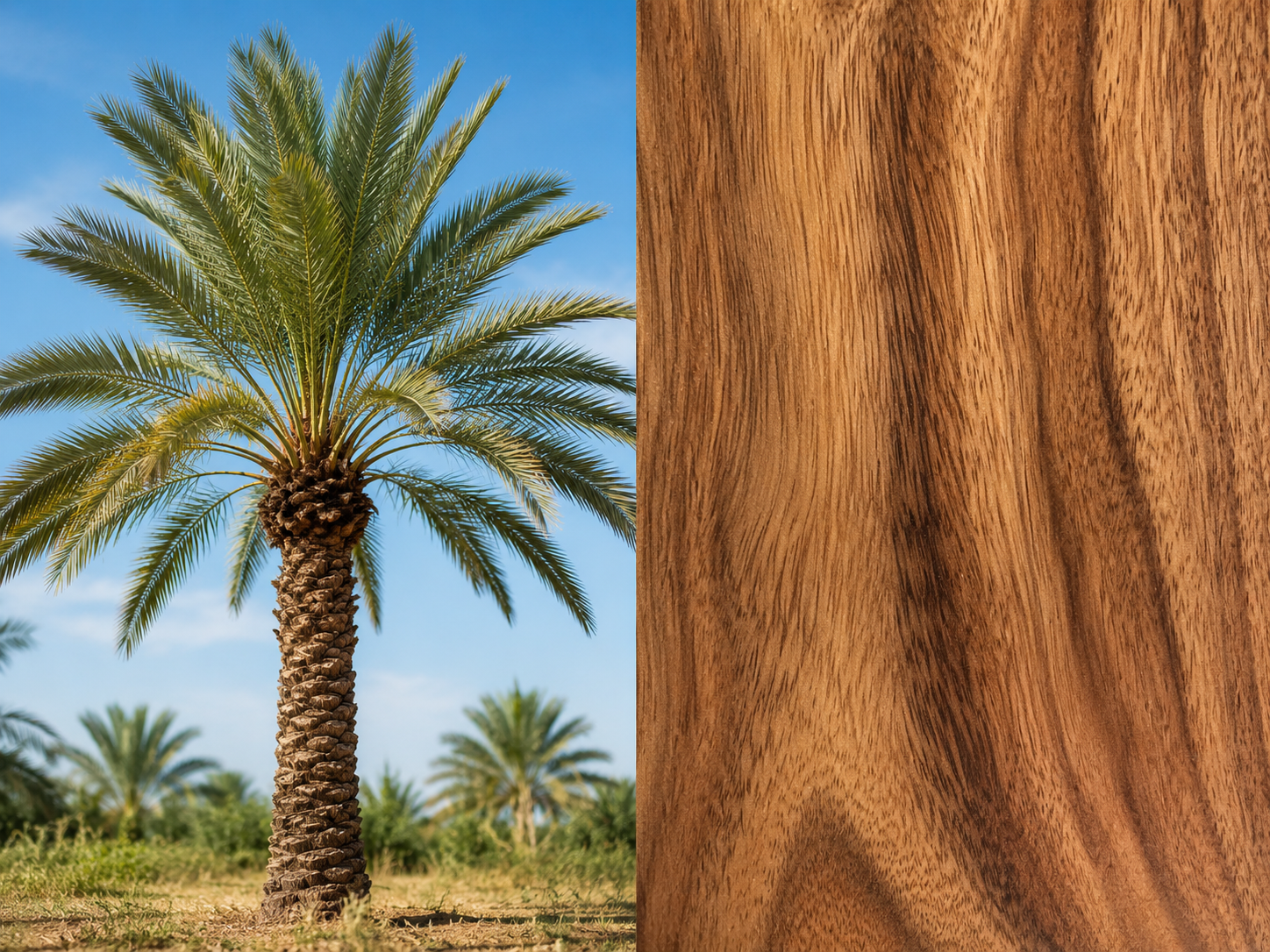
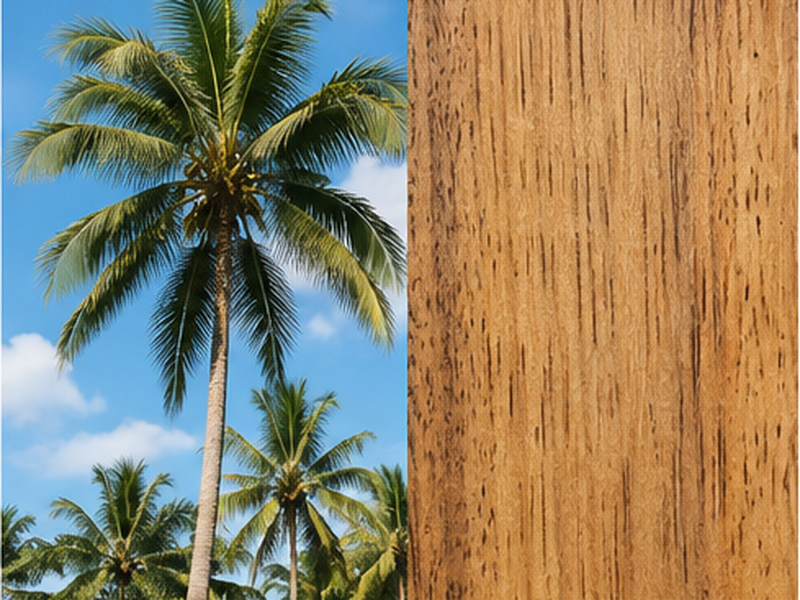
Palmwood
Palmwood has a highly distinctive structure.
Unlike conventional hardwoods, its visual pattern is created by dense vascular fibres running through the material. This gives palmwood a graphic, almost speckled appearance that can feel bold and contemporary.
Its density can vary across the section of the trunk, which makes material selection particularly important.
We use palmwood where its unique visual texture becomes an intentional part of the design rather than a surface effect added later.
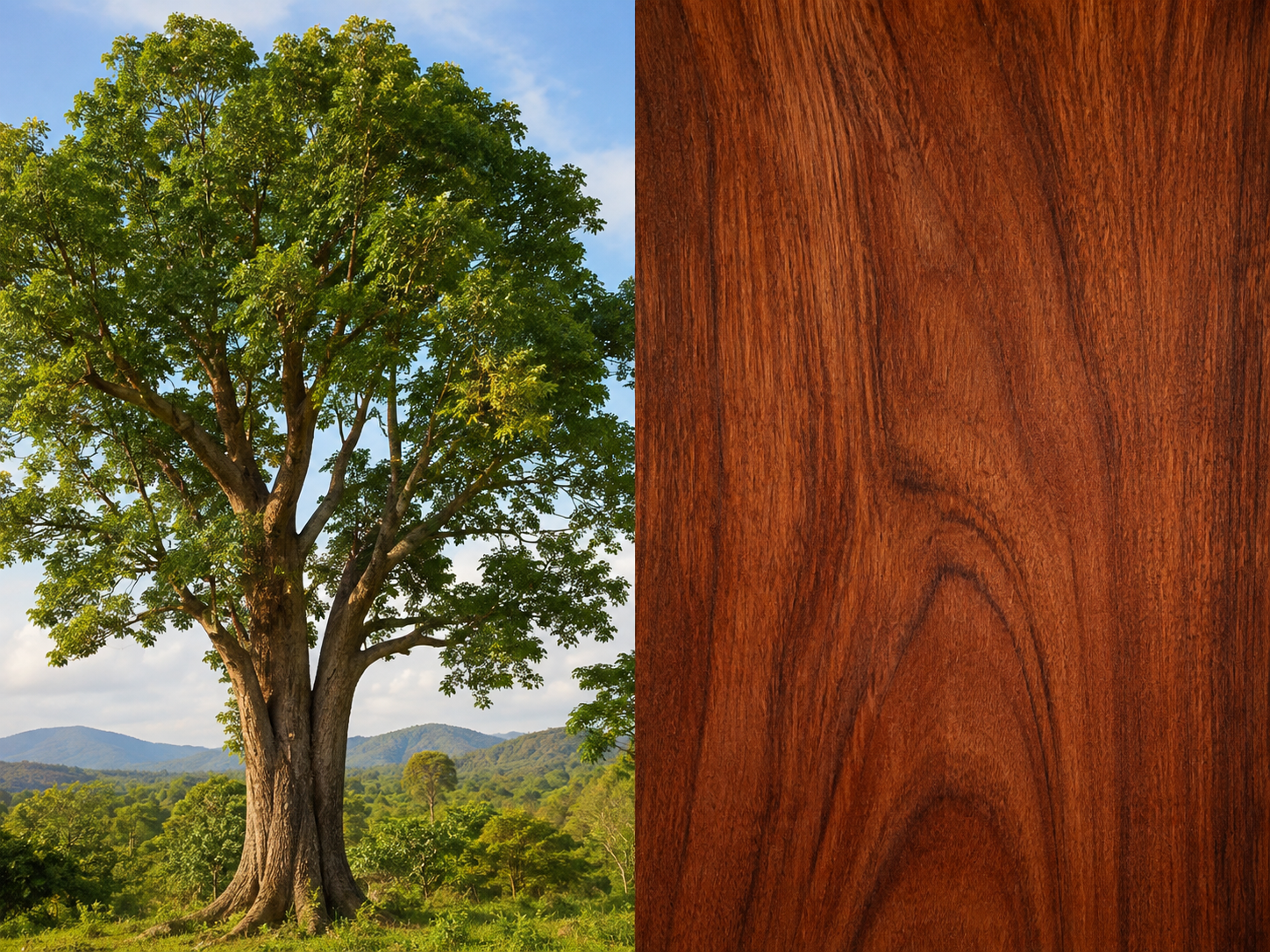
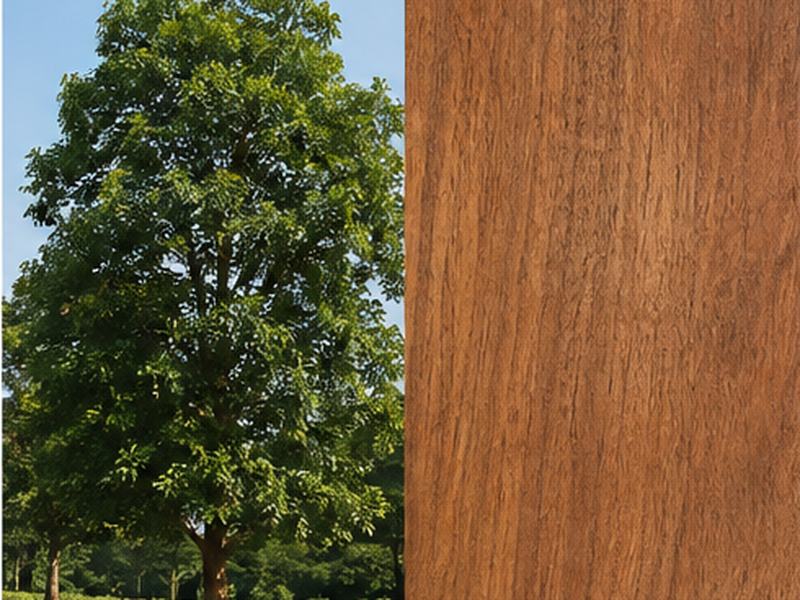
Mahogany Wood
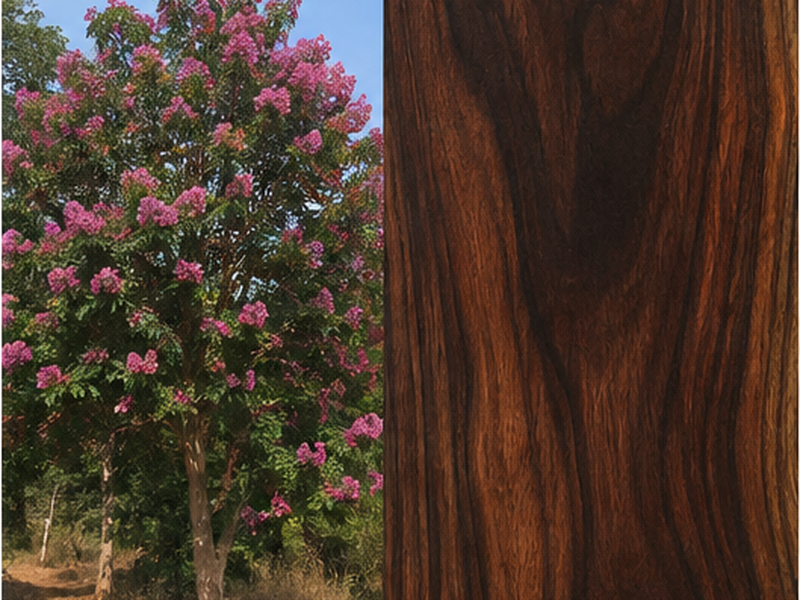
Mahogany is known for its deep, warm colour, relatively even texture and refined grain.
It machines and finishes well, making it suitable for products where clean detailing and a more formal visual character are required.
Its colour can become richer over time, especially when finished carefully.
We select mahogany for products that benefit from visual depth, controlled grain and a quietly sophisticated presence.
Why seasoning matters
The quality of a wooden product depends not only on the species, but also on how the wood is prepared.
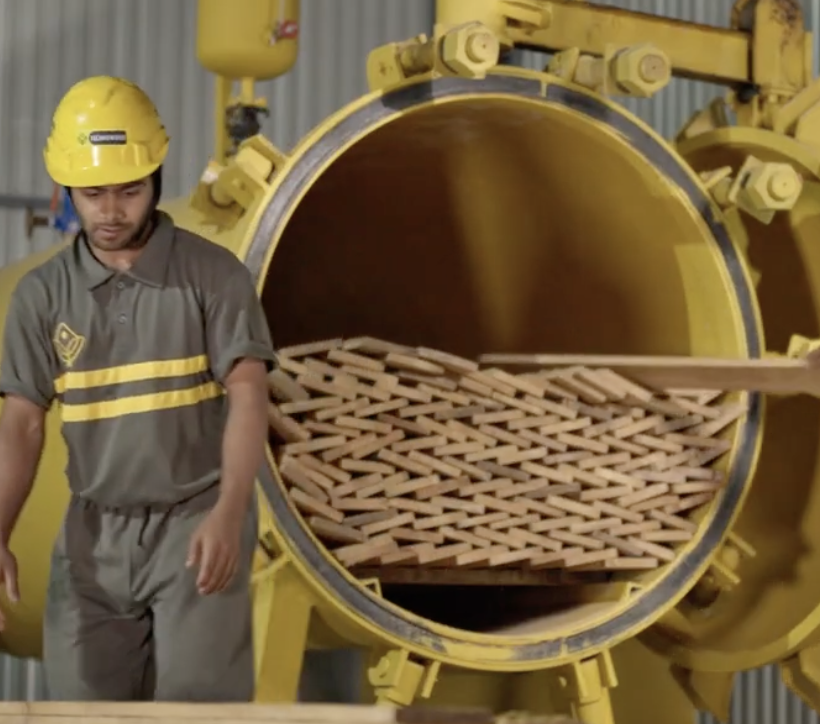
Our in-house kiln-seasoning facility allows us to reduce moisture before production and better control one of the most important stages in woodworking.
Proper seasoning helps improve dimensional stability and reduces the risk of excessive movement after the product is made.
However, wood never becomes completely inactive. It continues to respond to its surroundings throughout its life. This is why correct use and care remain important even after careful manufacturing.
Natural variation
No two pieces of solid wood are identical.
You may notice differences in:
- Grain direction
- Colour tone
- Natural streaks
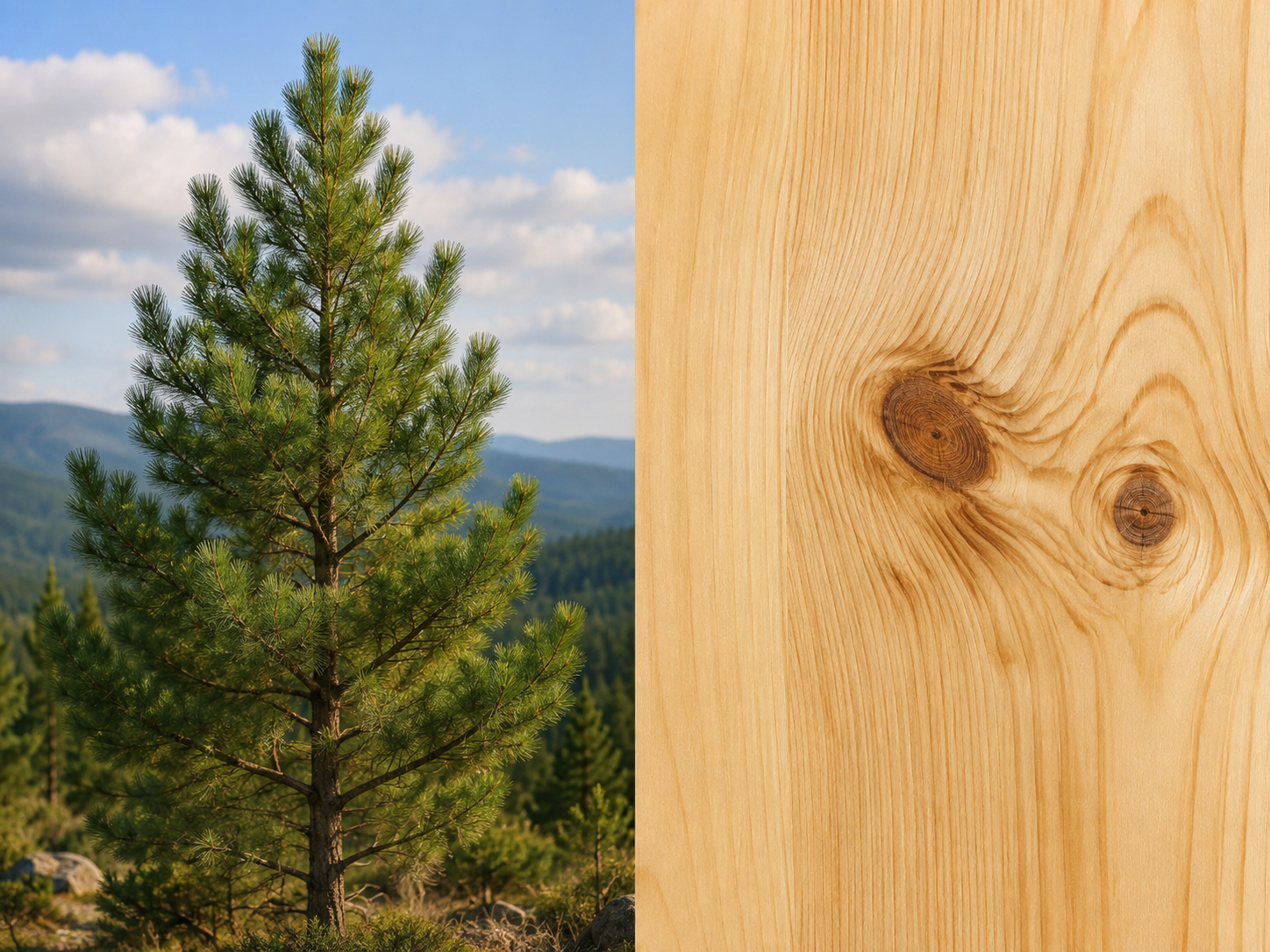
- Small knots
- Mineral marks
- Texture and figure
These are normal characteristics of natural timber.
We aim for consistency in construction, function and workmanship—not artificial uniformity in the wood itself.