CARE AND USE

CARE AND USE

Wood lasts longer when it is understood

A wooden product does not need complicated maintenance, but it does need the right habits.

Wood responds to water, heat, dryness and humidity. With sensible care, it can remain functional and beautiful for years.

The instructions below are general guidelines. Certain products may include additional care information depending on their use and finish.

Everyday cleaning

For most wooden home products, wipe the surface with a soft, slightly damp cloth.

For kitchen products such as cutting boards or serving pieces, clean them soon after use with mild soap and water.

Avoid leaving food residue or moisture on the surface for long periods.

After cleaning, wipe away excess water and allow the product to dry completely in an airy space.

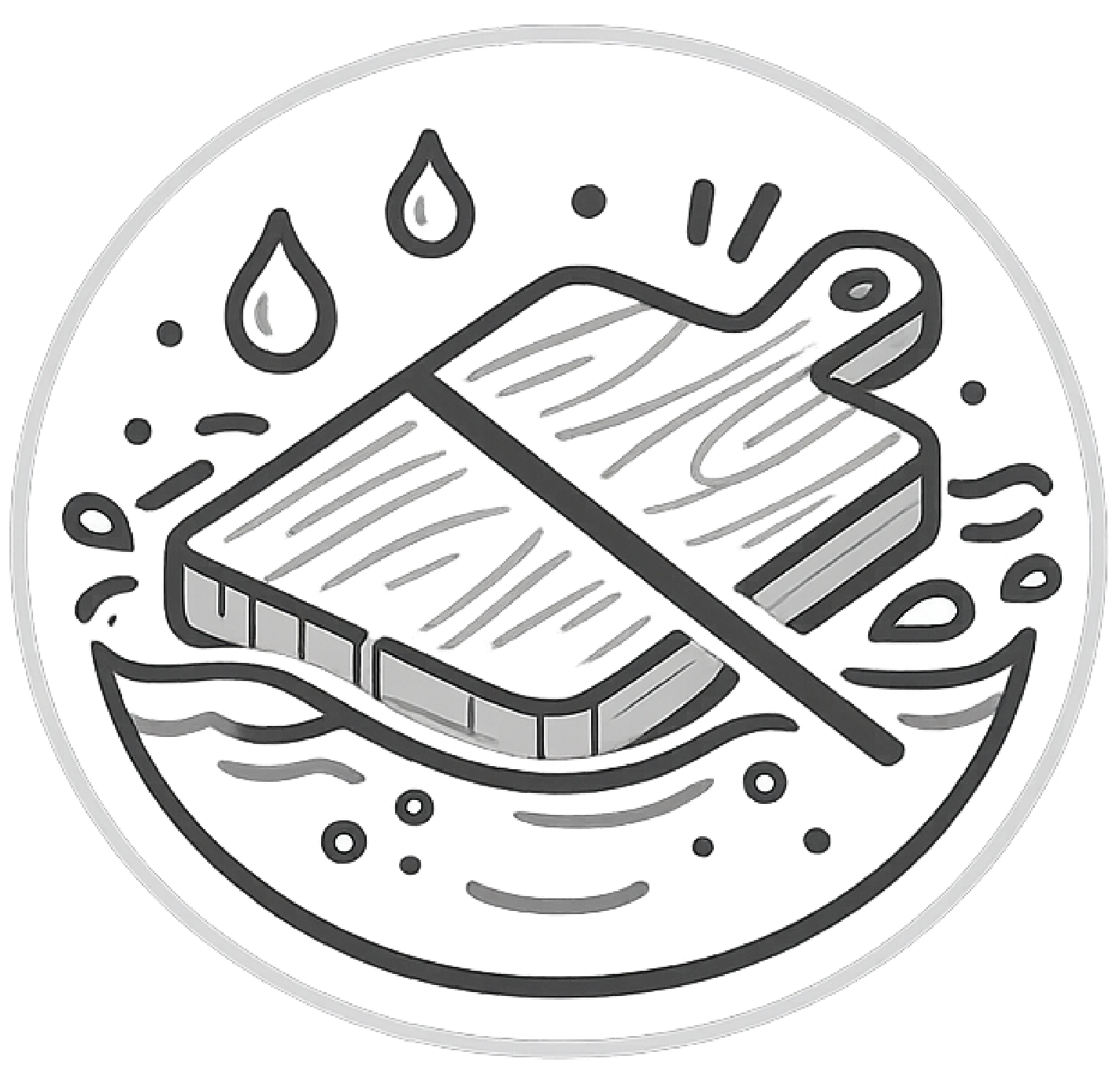
Do not soak wooden products

Avoid soaking solid wood in water.

Extended exposure can cause the fibres to swell unevenly and may lead to warping, cracking, surface roughness or separation at joints.

Wooden products should also not be left inside a wet sink.

Clean them promptly and dry them properly.

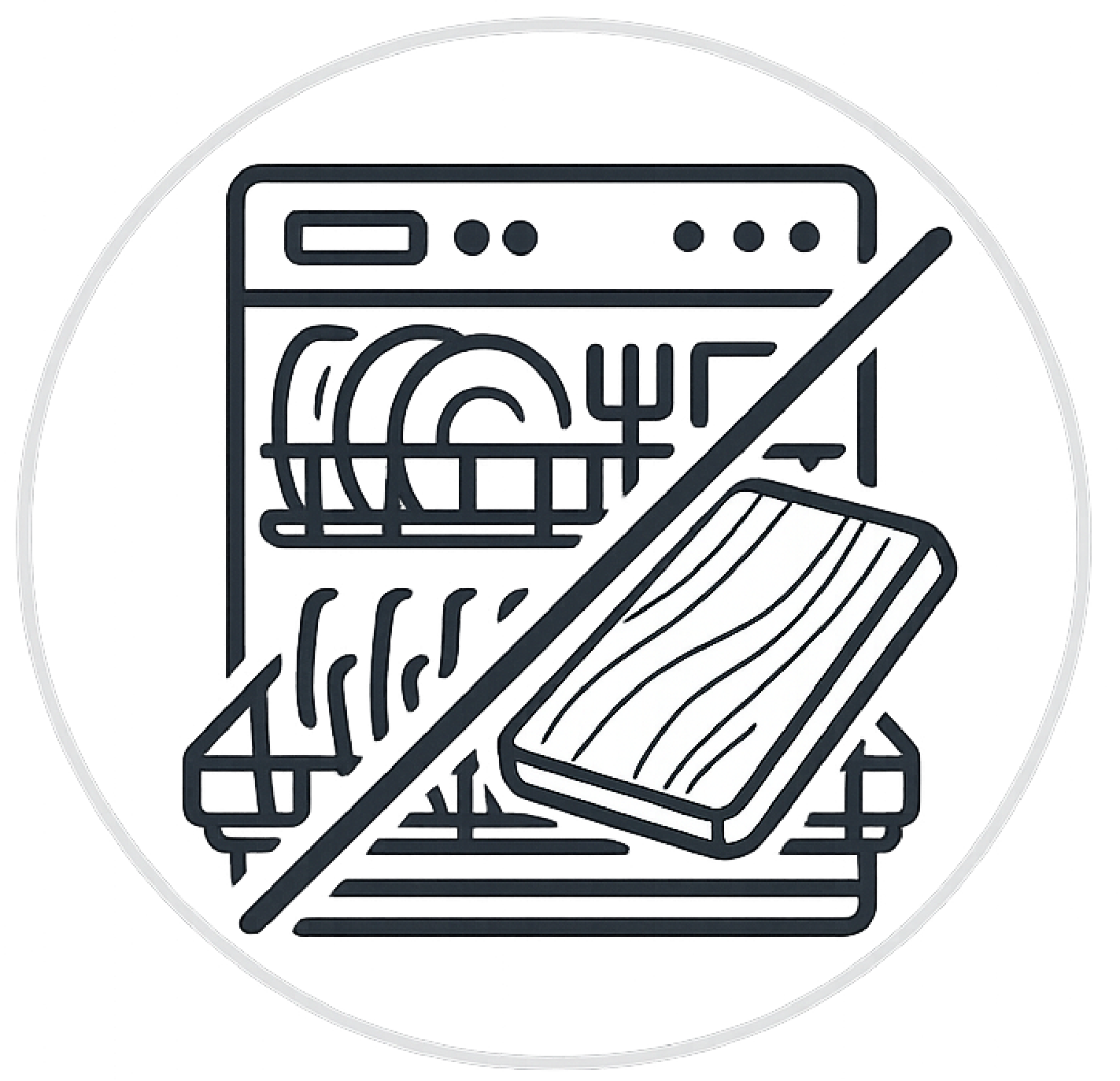
Avoid dishwashers

Unless a product is specifically marked as dishwasher-safe, do not place it in a dishwasher.

Dishwashers combine prolonged moisture, heat and strong detergents. This can dry out the wood, damage the finish and create sudden expansion and contraction.

Hand washing is gentler and more suitable for natural wood.

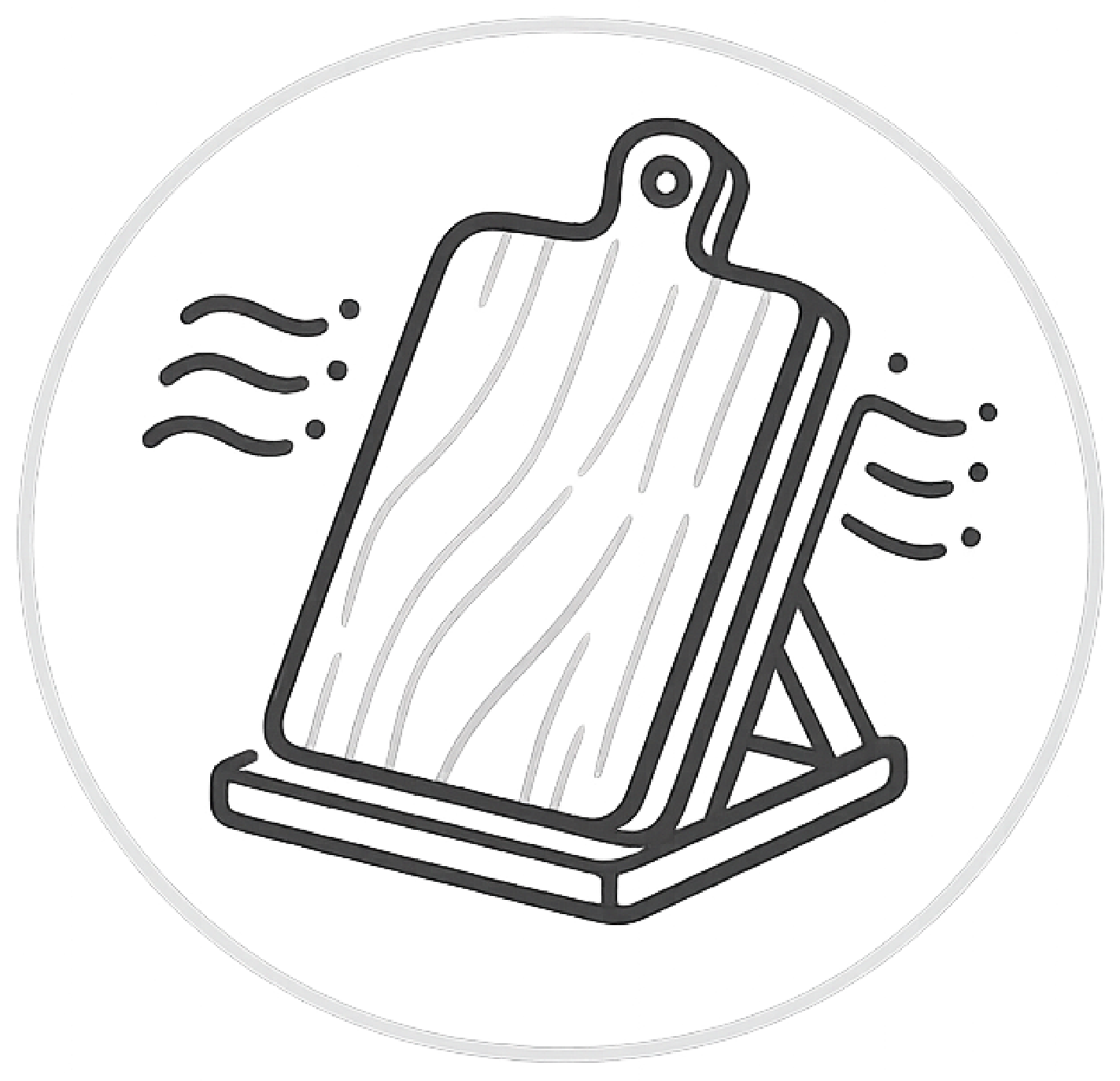
Drying cutting boards correctly

After washing a cutting board, wipe it dry and keep it upright or at an angle so that air can reach both surfaces.

Do not leave one wet face flat against the countertop. Uneven drying can cause one side to respond differently from the other.

Allow the board to dry fully before storing it.

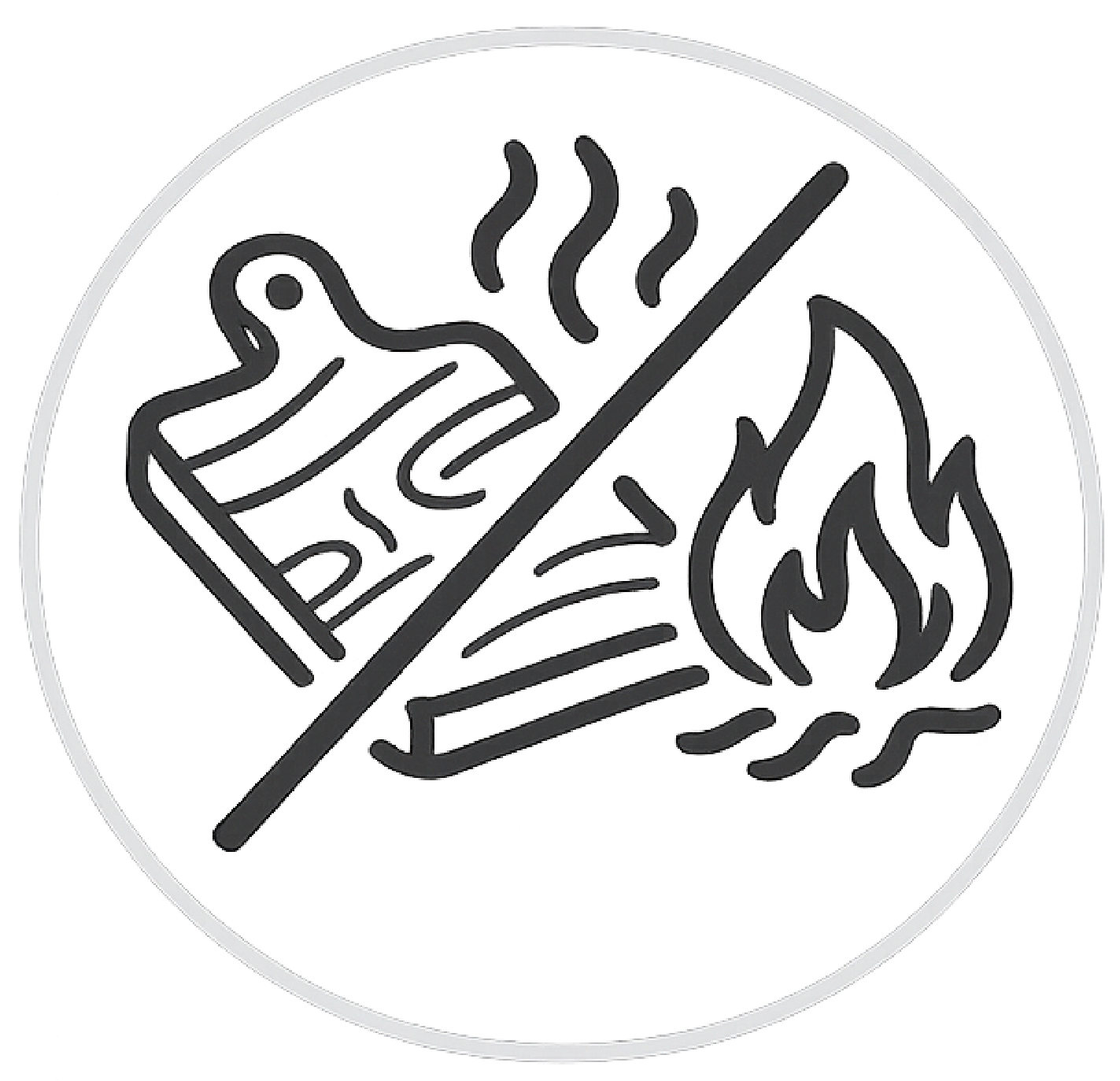
Keep away from extreme heat

Do not place wooden products directly beside a flame, on a hot stove or against very hot cookware unless the product has been designed for that purpose.

High heat can scorch the surface, dry the wood unevenly or weaken glued joints.

Sudden temperature changes can also affect the material.

Avoid prolonged direct sunlight

Continuous exposure to strong sunlight may change the colour of the wood and dry the surface.

Some colour development is natural and often attractive. However, prolonged harsh exposure may cause uneven fading or movement.

Store wooden products in a dry, ventilated area away from extreme heat and sunlight.

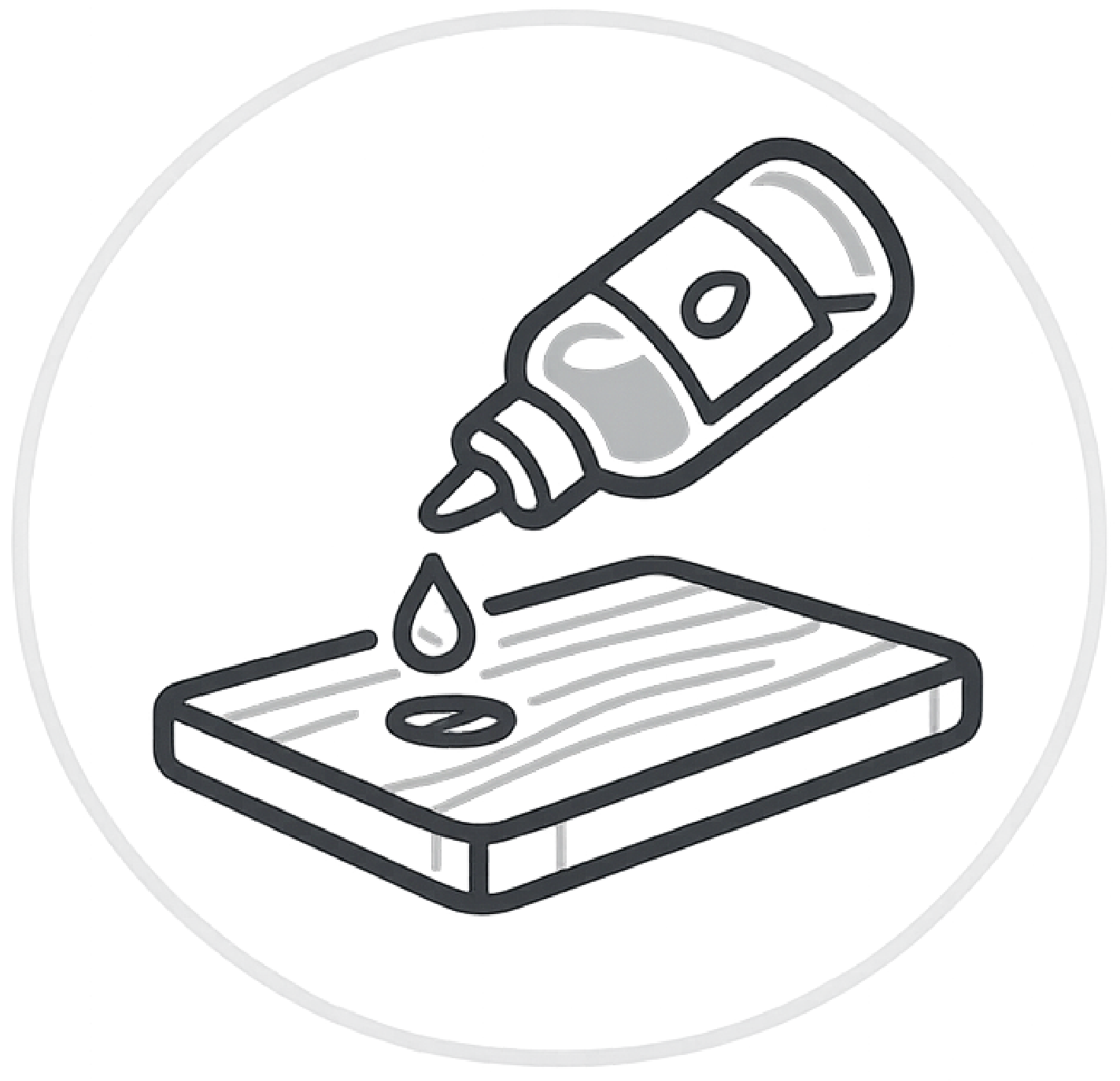
Re-oiling

Frequently washed wooden kitchen products may gradually begin to feel dry or look pale.

When this happens, a suitable food-safe wood oil can help nourish the surface and reduce dryness.

Apply a small amount evenly to a clean, completely dry surface. Allow it to absorb according to the oil manufacturer’s instructions, then remove any excess.

Only use finishes appropriate for products that come into contact with food.

Knife marks and signs of use

Cutting boards are working surfaces.

Knife marks will appear gradually, especially with regular use. This is normal and does not mean the product has failed.

Deep grooves should be cleaned carefully, and heavily worn boards may eventually need sanding, refinishing or replacement depending on their condition.

Avoid using cleavers or striking the surface with excessive force unless the board is designed for that purpose.

Natural movement

Even properly seasoned wood may expand or contract slightly as humidity changes.

Small changes across seasons can be normal. Avoid storing wood in extremely damp areas or directly beneath strong air-conditioning for prolonged periods.

Balanced conditions and proper drying help reduce unnecessary movement.

What not to use

Avoid:

  • Strong bleach
  • Harsh chemical cleaners
  • Abrasive metal scrubbers
  • Prolonged soaking
  • Dishwasher cleaning
  • Microwave or oven exposure
  • Direct flame
  • Storage while damp

Wash it soon. Dry it well. Let it age naturally.